
Early intervention that keeps students connected to school
Early signs of disengagement can quickly lead to persistent absence. AV1 gives schools a way to intervene early and keep pupils connected to learning and their classmates.

Persistent absence rarely
happens overnight
By the time a pupil reaches 10% absence which is the threshold for persistent absence. Schools are often already in crisis management mode. Reintegration plans, referrals, multi-agency meetings are all reactive and resource-intensive.
But absence at this level seldom arrives without warning. There is almost always an earlier stage: a run of medical absences, a pupil who starts arriving late, anxiety that surfaces around transitions, or a gradual social withdrawal that staff notice but struggle to address in time.
Schools are increasingly expected to identify and intervene at this earlier stage, to prevent the pattern becoming entrenched. Yet many lack a practical tool to do so.
The longer the gap, the harder the return.
Anxiety compounds quickly
For pupils with emerging school anxiety, every day at home reinforces avoidance. Each missed day makes the next one harder to face. Early intervention interrupts that cycle.
Peer relationships weaken fast
School friendships are built in corridors, at lunch, in lessons. A few weeks of absence can leave a pupil feeling invisible among their peers, making return feel socially terrifying.
Learning gaps widen rapidly
Academic disconnection accelerates disengagement. Once a pupil feels significantly behind, the motivation to return, even if the original barrier is resolved, drops sharply.
A bridge between
absence and attendance
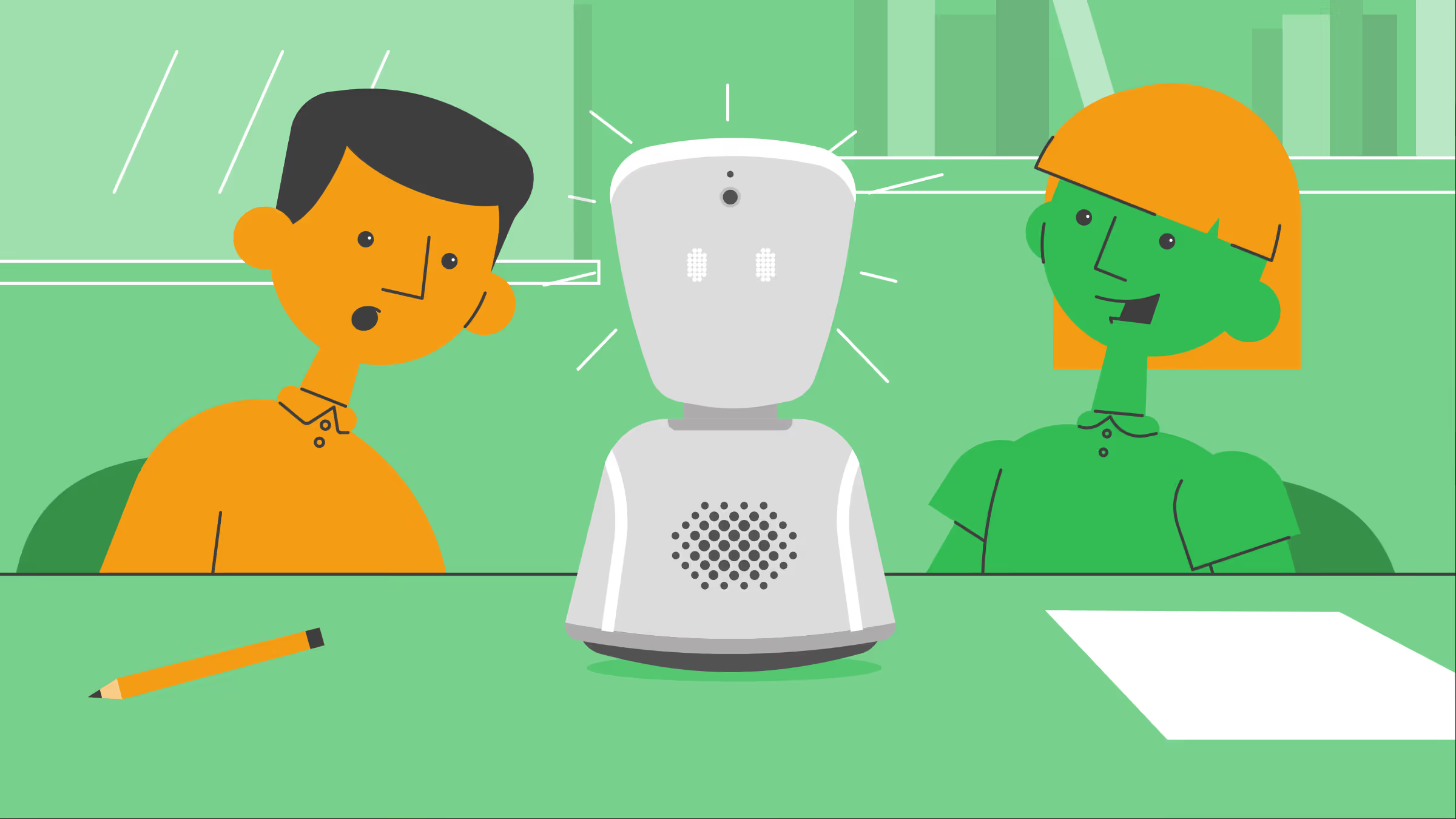
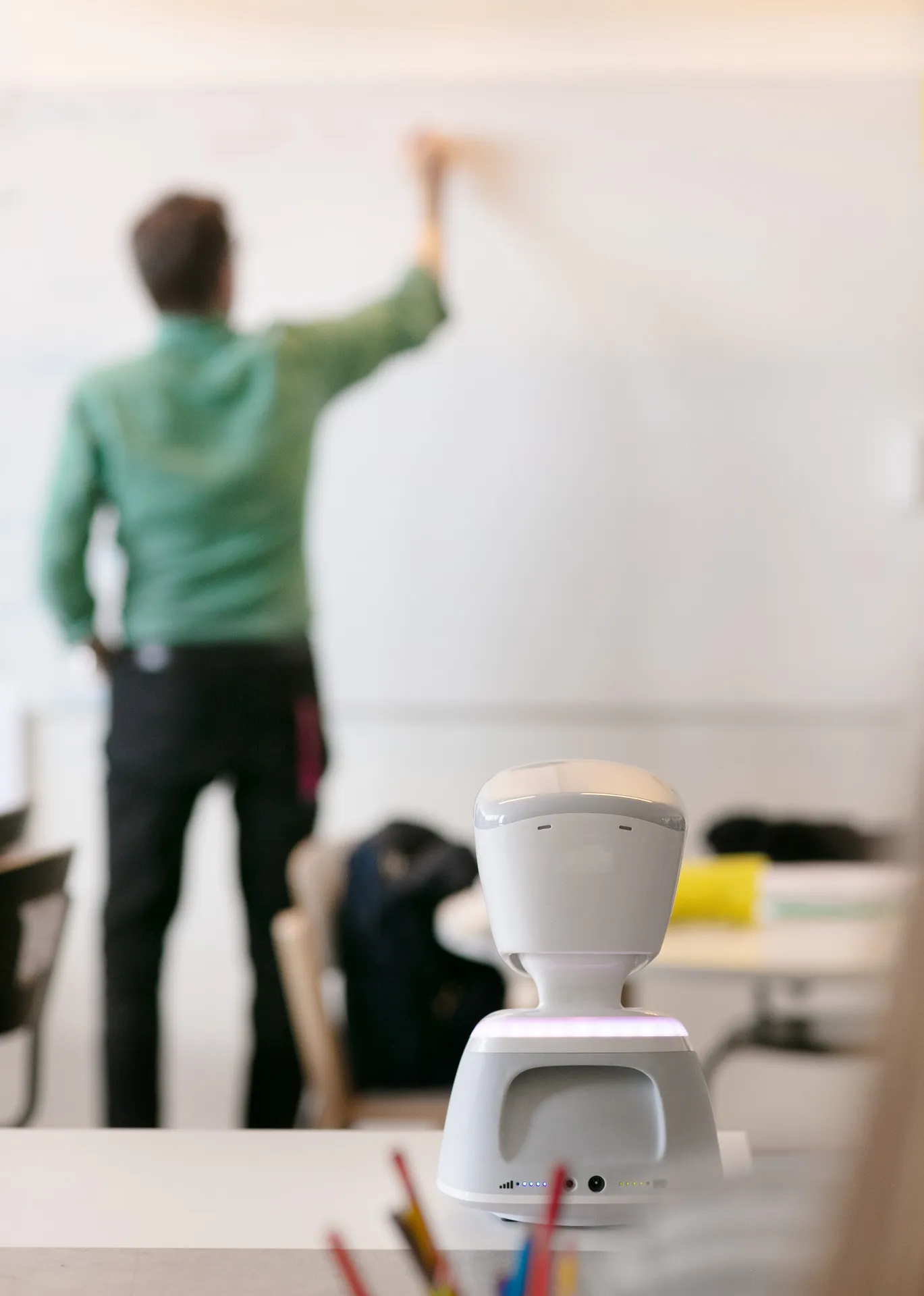
AV1 is a small telepresence robot that sits in the classroom on behalf of a pupil who cannot be there in person. The pupil joins from home, watching the lesson, listening to their teacher, and staying part of their class.
As an early intervention tool, AV1 lets schools maintain connection during those critical early weeks, before anxiety becomes entrenched, before peer relationships fade, and before academic gaps widen.
Connection is the most protective factor during early absence. Pupils who remain connected to their class, their teachers, and their friends are significantly more likely to return quickly and successfully. AV1 is designed to maintain that connection.

Simple for schools, meaningful for pupils
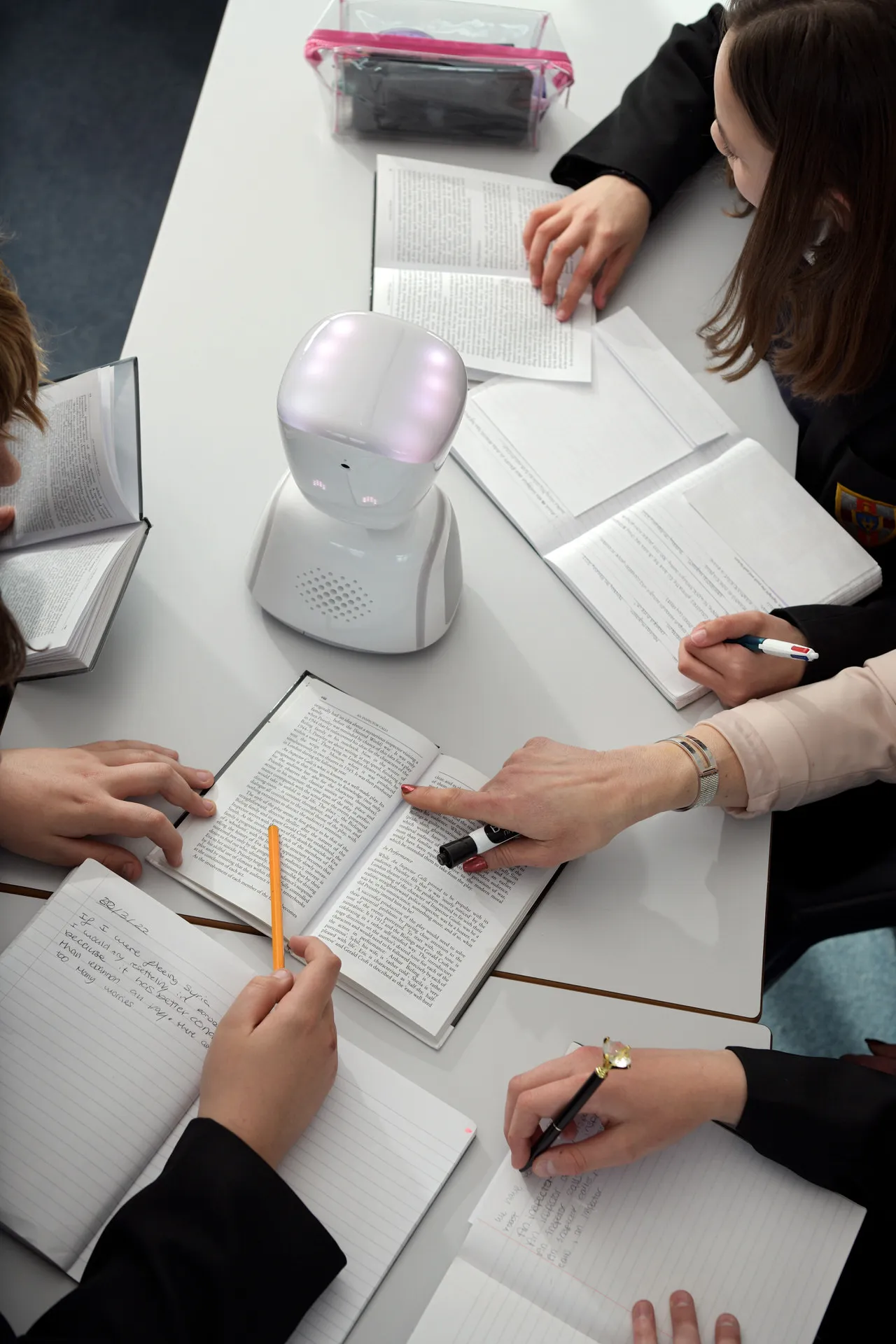
AV1 is placed in the classroom
The robot sits at the pupil's usual seat or a designated place in the room. It charges overnight, and in the morning the teacher switches it on. The pupil chooses when to connect.
The pupil connects from home
Using a tablet or phone, the pupil logs into the AV1 app and immediately sees and hears the classroom. They choose when to engage or observe as privacy settings allow them to watch and listen without being visible.
The teacher teaches as normal
Teachers include AV1 as they would any other pupil, asking questions, sharing materials, acknowledging contributions. No special protocols, no technical interruptions.
Support is flexed over time
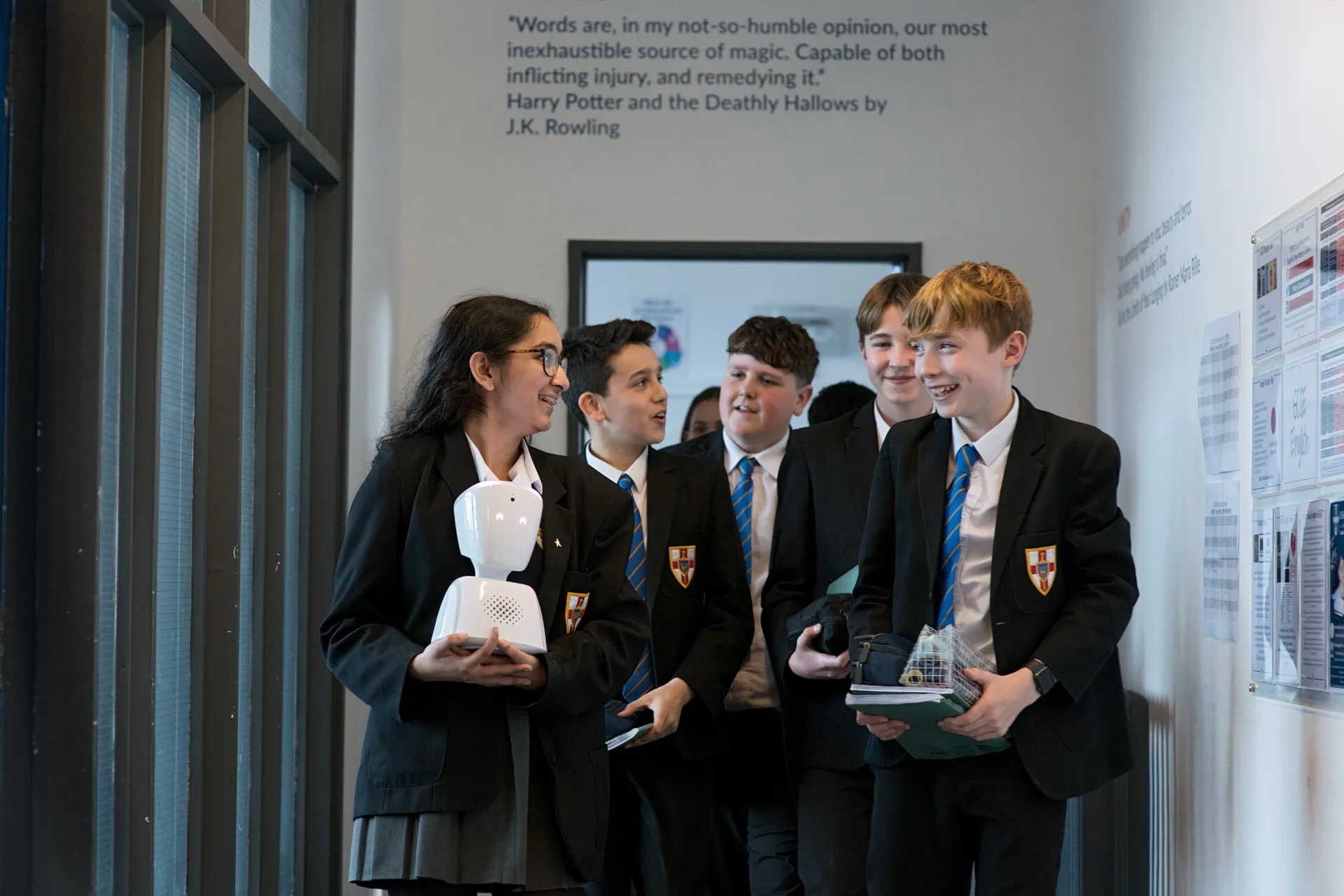
Usage can scale up or down based on pupil progress and readiness, from one lesson a week to a full timetable.
Adaptable by design
AV1 can be used alongside phased return plans, reduced timetables, or as a standalone bridge during short-term absence. Schools are in control of how and when it's deployed.
Schools using AV1 Robots as an early intervention tool

"The team positioned AV1 carefully so that the learner could see the board, hear the teacher and join partner tasks when they wished but without expectation to speak. Over time the pupil learned that reintegration was a process rather than a sudden step."

“It’s taken away the discomfort and anxiety that stopped him engaging with learning,” Sarah explains. “He knows he has a backup. If he becomes overwhelmed, he can still stay connected.”

"As a RISE Hub, we’re always looking at preventative strategies. We didn’t want to wait until a child was out of school for weeks or months. If we can spot early anxiety or disengagement, we want tools that help us act straight away.“
The impact of early intervention with AV1
For pupils
For pupils, early intervention with AV1 helps maintain a consistent connection to teachers, peers, and the wider rhythms of school life during periods of absence or difficulty attending.
This continuity reduces feelings of isolation, supports emotional wellbeing, and helps sustain a sense of belonging within the school community. It also builds confidence over time, making the idea of returning to school feel less daunting and more achievable.
For staff
For staff, AV1 provides a practical and manageable intervention tool that supports attendance, pastoral, and inclusion teams without significantly increasing workload.
It helps maintain visibility of pupils who are at risk of disengagement, supports earlier and more informed reintegration planning, and reduces the need for reactive or crisis-led interventions when attendance begins to decline.
For schools
For schools, early use of AV1 strengthens wider attendance and inclusion strategies by preventing short-term absence from escalating into persistent absence and referral to the local authority.
It supports safeguarding responsibilities by maintaining engagement with vulnerable pupils and demonstrates proactive, structured intervention. In doing so, it helps ensure continuity of education while reinforcing a whole-school approach to attendance and belonging.
Results schools can show to inspectors
Over 4500 AV1 robots are used across the UK and internationally. The outcomes are consistent: maintained curriculum access, improved reintegration rates and, critically, data that SENCOs can put in front of an inspector.